Panchakshari Mantra Counter

Om Namah Shivaya
ॐ नमः शिवाय

The sacred Panchakshari mantra — five syllables that embody the five elements of creation. Om Namah Shivaya ("I bow to Shiva") is one of the most powerful mantras in Hinduism, originating from the Yajurveda Sri Rudram. Learn its deep meaning, benefits, how to chant 108 times, and track your jap with the free Naam Jap app.

5 Syllables Panchakshari
100% Free App
Vedic Yajurveda Origin
Om Namah Shivaya Jap Counter - Naam Jap App

Meaning of Om Namah Shivaya
ॐ नमः शिवाय का अर्थ

Om Namah Shivaya (Sanskrit: ॐ नमः शिवाय) is one of the most revered mantras in Hinduism. It translates to "I bow to Shiva" or "Salutations to the Auspicious One." The word "Shiva" itself means "the auspicious, the benevolent, the gracious" — referring not merely to a deity but to the supreme consciousness that pervades all existence.

This mantra is called the Panchakshari (five-syllable) mantra because it consists of five sacred syllables: Na-Mah-Shi-Va-Ya. When prefixed with Om (the primordial pranava), it becomes the Shadakshari (six-syllable) form. Each of the five syllables corresponds to one of the Pancha Mahabhutas (five great elements) that constitute all of creation:

  • Na (न)Earth (Prithvi Tattva): Represents solidity, stability, and the foundation of physical existence. Associated with the Muladhara (root) chakra.
  • Mah (म)Water (Jal Tattva): Represents fluidity, emotion, and the life-giving force. Associated with the Svadhisthana (sacral) chakra.
  • Shi (शि)Fire (Agni Tattva): Represents transformation, energy, and the digestive fire. Associated with the Manipura (solar plexus) chakra.
  • Va (वा)Air (Vayu Tattva): Represents movement, breath (prana), and the vital life force. Associated with the Anahata (heart) chakra.
  • Ya (य)Ether / Space (Akash Tattva): Represents the infinite void, consciousness, and the subtlest element. Associated with the Vishuddha (throat) chakra.

By chanting these five syllables, the practitioner invokes and harmonizes all five elements within the body. The prefix Om represents the universal consciousness (Brahman) — the transcendent reality beyond the five elements. Together, Om Namah Shivaya is a complete cosmological statement: the individual self (jiva) bows to the supreme Self (Shiva) through the medium of the five elements that constitute manifest reality.

In the Shaiva Siddhanta tradition, this mantra is considered the Mula Mantra (root mantra) — the most fundamental expression of divine truth. It is also called Shiva Panchakshara and is considered equal in potency to the Gayatri Mantra for Shaivite practitioners.
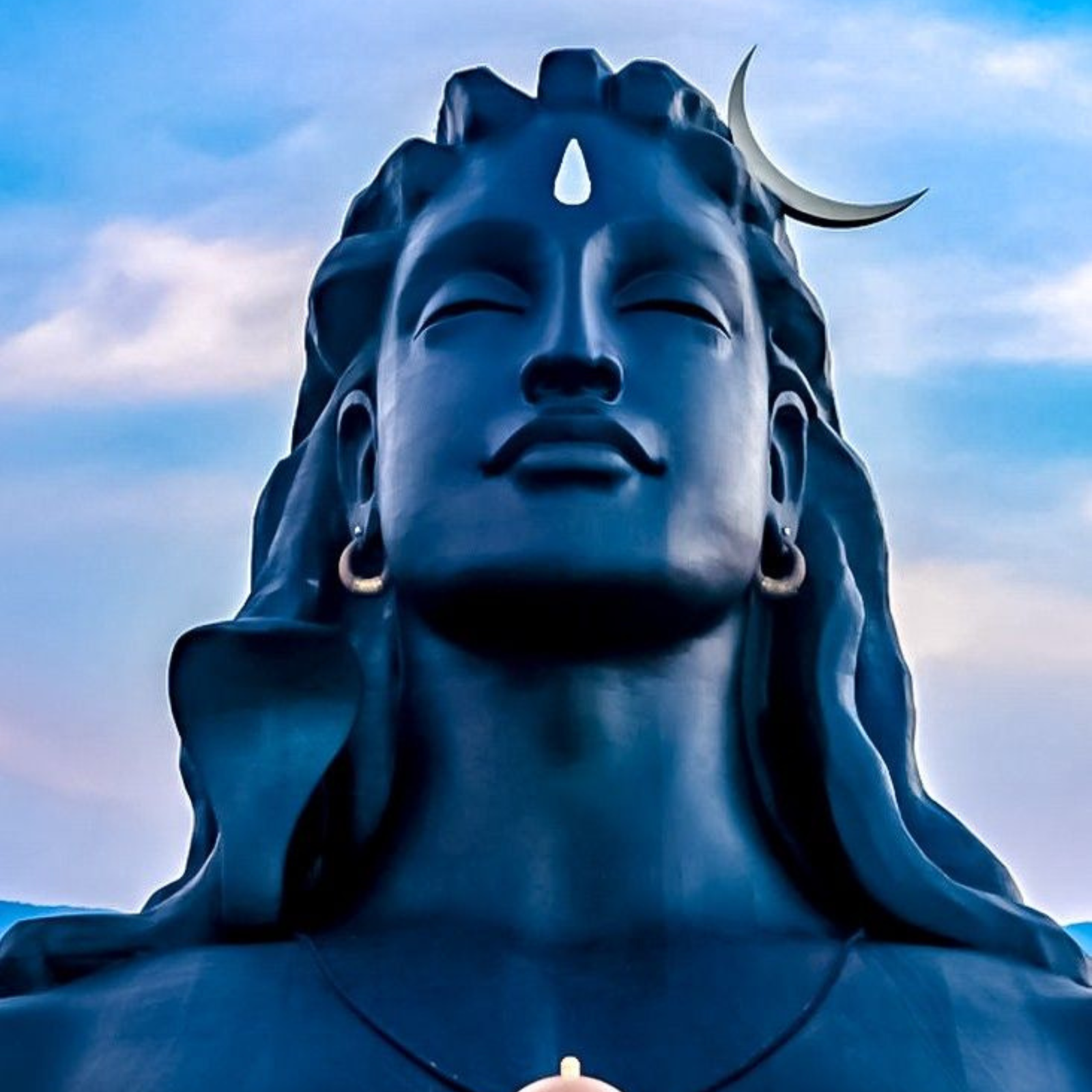
History & Vedic Origin of Om Namah Shivaya
वैदिक उत्पत्ति और इतिहास

The mantra Om Namah Shivaya has its roots in the most ancient scriptures of Hinduism. Its origins can be traced through several key texts and traditions:

Yajurveda & Sri Rudram

The earliest occurrence of "Namah Shivaya" is found in the Krishna Yajurveda, specifically in the Sri Rudram (also known as Rudradhyaya or Shatarudriya), which appears in the Taittiriya Samhita (4.5.8.1). The Sri Rudram is a Vedic hymn dedicated to Rudra-Shiva and is considered one of the most powerful chants in the Vedic tradition. The exact phrase occurs in Anuvaka 8:

"Namo Bhavaya cha Rudraya cha, Namah Sharvaya cha Pashupataye cha, Namo Nilakanthaya cha... Namah Shivaya cha Shivataraya cha"

This places the mantra firmly in the Shruti (revealed scripture) tradition, giving it the highest scriptural authority. The Sri Rudram is recited in Rudra Abhishekam ceremonies and during Mahashivratri across India and Nepal.

Shvetashvatara Upanishad

The Shvetashvatara Upanishad (one of the principal Upanishads) extensively describes the nature of Shiva as the supreme Brahman. While the exact five-syllable formula is not explicitly spelled out, the Upanishad provides the philosophical foundation for the mantra by establishing Shiva as the supreme reality beyond creation, preservation, and dissolution.

Adi Shankaracharya & Shiva Panchakshara Stotram

Adi Shankaracharya (8th century CE), the great Advaita Vedanta philosopher, composed the celebrated Shiva Panchakshara Stotram — a five-verse hymn where each verse begins with one of the five syllables (Na, Ma, Shi, Va, Ya). This composition played a pivotal role in popularizing the Panchakshari mantra across India. Each verse illuminates the glory of Lord Shiva:

  • Nagendraharaya... (Na) — To the one who wears the king of serpents
  • Mandakinisalila... (Ma) — To the one who is bathed by the Ganges
  • Shivaya Gaurishankaraya... (Shi) — To the auspicious one, consort of Gauri
  • Vasishtha Kumbhodbhava... (Va) — To the one worshipped by Vasishtha and Agastya
  • Yakshaswaroopaya... (Ya) — To the one with the form of Yaksha

Shaivite Traditions

The Panchakshari mantra is the Mula Mantra (foundational mantra) of multiple Shaivite traditions:

  • Shaiva Siddhanta (Tamil Nadu, South India) — Central liturgical mantra, chanted in all temple rituals
  • Kashmir Shaivism (Trika philosophy) — Used as a tool for recognizing one's identity with Shiva
  • Lingayat / Veerashaiva (Karnataka) — The supreme mantra given during Lingadharana initiation
  • Siddha Yoga (Swami Muktananda lineage) — The primary meditation mantra
  • Nath Sampradaya (Gorakhnath tradition) — Essential part of yogic sadhana

Benefits of Chanting Om Namah Shivaya
ॐ नमः शिवाय जप के फायदे

Regular jap of the Panchakshari mantra transforms the practitioner at every level — physical, mental, emotional, and spiritual

🧘

Deep Inner Peace & Stress Relief

The rhythmic vibration of Om Namah Shivaya activates the parasympathetic nervous system, reducing cortisol levels and inducing a state of profound calm. Regular chanters report significantly lower anxiety, better sleep quality, and an unshakeable sense of inner peace even amid life's challenges.

Purification of Mind & Karma

Shiva is called Pashupati — the Lord who liberates the bound soul (pashu) from its bonds (pasha). Chanting His mantra burns away accumulated karmic impressions (samskaras) and mental impurities (mala). The Shiva Purana states that sincere repetition of this mantra destroys sins of past lives.

🔥

Balancing the Five Elements

Since each syllable corresponds to one of the Pancha Mahabhutas (earth, water, fire, air, ether), chanting Om Namah Shivaya harmonizes these elements within the body. This elemental balance is the foundation of physical health in Ayurveda — correcting doshas (vata, pitta, kapha) at their root cause.

💡

Enhanced Focus & Mental Clarity

Mantra repetition (japa) is a form of dharana (concentration practice). The mind, when given the anchor of Om Namah Shivaya, gradually quiets its scattered tendencies (vikshepas). Over weeks and months of daily practice, practitioners experience sharper focus, better memory, and clearer decision-making.

🛡️

Protection from Negative Energies

Shiva is Mahakaal — the destroyer of all that is negative, harmful, and inauspicious. His mantra creates a protective kavach (shield) around the chanter. The vibrations of Om Namah Shivaya dispel fear, ward off negative influences, and create an aura of positivity and strength.

🎯

Awakening Spiritual Consciousness

The Panchakshari mantra is a direct path to Shiva-consciousness — the realization that the individual self (atman) is identical with the universal self (Brahman). In Kashmir Shaivism, this is called Pratyabhijna (self-recognition). Regular jap gradually unveils the truth that "I am Shiva."

💚

Emotional Healing & Release

Shiva is Neelakantha — the one who held poison in his throat to save creation. Similarly, chanting His mantra helps practitioners process and release stored emotional pain, grief, anger, and trauma. The vibration penetrates deep into the subconscious, dissolving emotional blockages that may have persisted for years.

🕊️

Kundalini Awakening & Chakra Activation

The five syllables resonate with the first five chakras (Muladhara to Vishuddha), while Om activates the Ajna (third eye) and Sahasrara (crown). Sustained japa creates subtle vibrations along the Sushumna Nadi (central energy channel), facilitating the upward movement of Kundalini Shakti in prepared practitioners.

🙏

Fulfillment of Desires (Sankalp Siddhi)

Shiva is called Ashutosh — one who is easily pleased. Chanting Om Namah Shivaya with a specific sankalp (intention) — health, education, career, relationships, or spiritual growth — invokes Lord Shiva's grace for its fulfillment. The Naam Jap app lets you set and track your sankalp.

🌏

Path to Moksha (Liberation)

The ultimate goal of the Panchakshari mantra is moksha — liberation from the cycle of birth and death (samsara). The Shiva Purana declares: "The five-syllable mantra is the boat that carries the soul across the ocean of worldly existence." It is considered the supreme liberating mantra in Shaiva traditions.

How to Chant Om Namah Shivaya
ॐ नमः शिवाय जप विधि

Step-by-step guide with pronunciation, three styles of chanting, and Rudraksha mala usage

1

Prepare Your Space & Body

Choose a clean, quiet place. Sit facing East or North on an asan (mat or cushion). Adopt a comfortable seated posture — Padmasana (lotus), Sukhasana (easy pose), or simply sit in a chair with your spine straight. Wash your hands and face before beginning. If available, light a diya (oil lamp) or dhoop (incense) to create a sacred atmosphere.

2

Pronunciation Guide

Correct pronunciation of Om Namah Shivaya:

  • Om (ॐ) — Pronounced "Ohm" (rhymes with "home"). Let the sound resonate from the navel upward.
  • Na (न) — Soft "Nuh" (as in "nut"). Tongue touches the upper palate.
  • Mah (मः) — "Muh" (as in "mug"). Lips come together gently.
  • Shi (शि) — "Shih" (as in "ship"). A soft sibilant, not harsh.
  • Vaa (वा) — "Vaa" (as in "vast"). Slightly elongated vowel.
  • Ya (य) — "Yuh" (as in "yum"). The mantra gently dissolves into silence.

Chant slowly and clearly. Let each syllable have equal weight. Do not rush. The beauty of this mantra lies in its rhythmic, meditative quality.

3

Three Styles of Chanting (Jap Prakar)

Hindu tradition recognizes three forms of mantra chanting, each with increasing subtlety and power:

  • Vachik Jap (वाचिक जप)Chanting aloud. The mantra is spoken clearly so others can hear. Best for beginners and group chanting. The physical vibration of sound purifies the environment.
  • Upanshu Jap (उपांशु जप)Whispered chanting. The lips move but only the chanter can hear the sound. More internalized than vachik. Considered 10 times more powerful than vachik jap according to Manu Smriti.
  • Manasik Jap (मानसिक जप)Silent mental chanting. The mantra is repeated only in the mind, with no lip movement. The most subtle and powerful form. Considered 100 times more powerful than vachik jap. Requires significant practice to maintain focus.

Recommendation: Start with Vachik, progress to Upanshu, and eventually practice Manasik jap. The Naam Jap app's ring-style counter works perfectly with all three styles.

4

Using a Rudraksha Mala

Rudraksha (tears of Rudra/Shiva) beads are the traditional mala for Om Namah Shivaya jap. A standard mala has 108 beads + 1 Sumeru (guru bead). Hold the mala in your right hand, draped over the middle finger. Use the thumb to advance one bead per repetition. Do not cross the Sumeru bead — flip the mala and continue. Alternatively, use the free Naam Jap app which provides a digital 108-bead Rudraksha-style counter with automatic session tracking.

5

Set Your Sankalp & Track Progress

Before beginning your daily jap, set a clear sankalp (sacred intention). This could be spiritual growth, health, peace, protection, or devotion. The Naam Jap app lets you create a personalized sankalp, join community sankalpas where thousands chant together toward a shared goal, track your daily count, maintain streaks, earn 12 achievement milestones, and see your rank on the national leaderboard. Download free on Google Play.

Om Namah Shivaya 108 Times
ॐ नमः शिवाय 108 बार

Why 108? The Sacred Number

The number 108 holds deep cosmic significance in Vedic tradition:

  • Astronomical: The distance between Earth and the Sun is approximately 108 times the Sun's diameter. The distance between Earth and the Moon is approximately 108 times the Moon's diameter.
  • Upanishads: There are 108 principal Upanishads catalogued in the Muktika canon.
  • Nakshatras: 27 nakshatras (lunar mansions) × 4 padas (quarters) = 108, representing the complete zodiacal cycle.
  • Sanskrit Alphabet: 54 letters in Sanskrit, each with Shiva (masculine) and Shakti (feminine) aspects = 108.
  • Heart Chakra: 108 energy lines (nadis) converge at the Anahata (heart) chakra.

Chanting Om Namah Shivaya 108 times is therefore considered one complete cycle of cosmic alignment.

How Long Does It Take?

One mala of 108 repetitions of Om Namah Shivaya takes approximately 10 to 15 minutes, depending on your chanting speed:

  • Slow, meditative pace: ~15 minutes (recommended for deep meditation)
  • Moderate pace: ~12 minutes (ideal for daily practice)
  • Quick pace: ~8-10 minutes (for experienced practitioners)

Daily Practice Guide

For building a sustainable daily Om Namah Shivaya practice:

  • Beginner: 1 mala (108 times, ~12 min) daily. Start here and maintain for at least 40 days.
  • Regular: 3 malas (324 times, ~36 min) daily. Morning, noon, and evening — one mala each.
  • Committed: 10 malas (1,080 times, ~2 hours) daily. A serious sadhana practice.
  • Intensive Anusthan: 50-100 malas (5,400-10,800 times) daily. For dedicated periods like Sawan or Shivratri.

The Naam Jap app tracks every repetition, saves sessions automatically, and shows your cumulative lifetime count. Even one mala a day, done consistently, creates profound spiritual transformation over months and years.

Om Namah Shivaya Meditation
ॐ नमः शिवाय ध्यान

How to use the Panchakshari mantra as a complete meditation practice

Om Namah Shivaya is not merely a chant — it is a complete meditation system. The mantra serves as an anchor for the mind, a vehicle for breath regulation, and a direct path to transcendental consciousness. Here is a detailed meditation technique:

Breath Synchronization (Shvasa-Mantra Yoga)

The most powerful way to meditate with Om Namah Shivaya is to synchronize the mantra with your breath:

  • Method 1 (Recommended for beginners): Inhale naturally. On the exhale, mentally chant the complete mantra: "Om... Na... Mah... Shi... Vaa... Ya..." Let the mantra ride on the outgoing breath. The exhale naturally becomes longer and slower.
  • Method 2 (Intermediate): On the inhale, mentally chant "Om Namah." On the exhale, chant "Shivaya." This creates a natural 2-part breath rhythm.
  • Method 3 (Advanced): Let the mantra arise spontaneously with the breath, without deliberate synchronization. The mantra becomes ajapa-japa — effortless, continuous repetition that flows with the natural breath. This is the highest form of mantra meditation.

Dhyana Technique (Concentration Focus)

While chanting, focus your inner attention on one of these points:

  • Ajna Chakra (Third Eye): The space between and slightly above the eyebrows. This is the traditional Shiva-dhyana point. Visualize a luminous Shiva Linga or a point of white light here.
  • Anahata Chakra (Heart Center): The center of the chest. Feel the mantra vibrating in the heart space. This cultivates bhakti (devotion) alongside meditation.
  • Sahasrara (Crown): The top of the head. For advanced practitioners, this connects with the highest Shiva-consciousness.

Duration & Progression

  • Start with 10-15 minutes (1 mala of 108 repetitions) using the Naam Jap app counter.
  • Build to 20-30 minutes (2-3 malas) over 2-4 weeks.
  • Aim for 45-60 minutes for deep meditation sessions, especially during Sawan, Shivratri, or Pradosh.
  • After the chanting portion, sit in complete silence for 5-10 minutes. This silent period is when the deepest insights and experiences arise.

The Naam Jap app is an ideal companion for mantra meditation — it counts your repetitions silently so you can close your eyes and focus entirely on the mantra and your inner experience.

Rules & Best Practices for Om Namah Shivaya Jap
नियम और महत्व

Niyam (Rules / Disciplines)

  • Consistency: Chant at the same time daily. The ideal times are Brahma Muhurta (4-5:30 AM) and Sandhya Kaal (dusk). Regularity matters more than quantity.
  • Cleanliness: Wash hands, face, and feet before jap. Sit on a clean asan (mat). Wear clean clothes. Physical cleanliness supports mental purity.
  • Direction: Sit facing East (for spiritual growth) or North (for prosperity). These directions align with positive energy flows.
  • Posture: Keep the spine straight. This allows prana (vital energy) to flow freely through the Sushumna Nadi. Slouching blocks energy flow.
  • Mala Etiquette: Hold the Rudraksha mala in the right hand. Do not let it touch the ground. Do not cross the Sumeru bead. Store the mala in a clean cloth pouch when not in use.
  • Minimum 40 Days: Any mantra practice should be done continuously for at least 40 days (Mandala) to activate its full power. Do not break the chain.
  • Silence After Jap: Maintain a few minutes of silence after completing your mala(s). Do not immediately start talking or looking at your phone.

Mahatva (Significance / Liberties)

  • No Initiation Required: Unlike some Vedic mantras, Om Namah Shivaya is sarvadiksha-vinirmukta — free from the requirement of formal initiation. Anyone can chant it.
  • No Dietary Restrictions: While sattvic (vegetarian, light) food is recommended, Shiva is Bholenath — the innocent, accepting Lord. He does not reject devotion based on diet.
  • Any Time, Any Place: While specific times are ideal, Om Namah Shivaya can be chanted anywhere, anytime — while walking, commuting, cooking, or before sleep. Lord Shiva lives in cremation grounds and mountain peaks alike; He is beyond rules of purity.
  • No Gender or Caste Restriction: The Panchakshari mantra is for all of humanity. The Shvetashvatara Upanishad makes no distinction of who may practice it.
  • Mental Chanting Counts: Manasik jap (silent mental chanting) is not only acceptable but considered the most powerful form. You can chant Om Namah Shivaya in your mind during any activity.
  • Imperfect Practice is Better Than No Practice: Even if you cannot follow all the rules, chant anyway. Shiva values sincerity over ritual perfection. One Om Namah Shivaya from the heart is worth a thousand mechanical repetitions.
  • Track with Naam Jap App: Use the free Naam Jap app to count your daily jap, maintain streaks, and join community sankalpas. Every repetition counts toward your spiritual journey.

Best Occasions for Om Namah Shivaya Jap
शिव जप के शुभ अवसर

While Om Namah Shivaya can be chanted any day, these occasions amplify its power manifold

Mahashivratri
The Greatest Night of Shiva

The most powerful night for Om Namah Shivaya jap. Falls on the 14th night of the dark fortnight in Phalguna (Feb-Mar). Shiva himself is said to have performed the Tandava on this night. Devotees observe night-long jap (ratri jagaran). Even a single mala on Mahashivratri equals lakhs of malas on ordinary days.

Sawan / Shravan
The Holy Month of Shiva (Jul-Aug)

The entire month of Shravan is dedicated to Lord Shiva. Every Monday (Sawan Somvar) in this month is especially auspicious. Devotees undertake intensive Om Namah Shivaya jap, Kanwar Yatra, and Rudrabhishek. Many practitioners do Sawan Anusthan — a dedicated daily practice throughout the month.

Pradosh Vrat
13th Tithi — Twice Monthly

Pradosh falls on the 13th day of both the bright and dark fortnights of each lunar month. The Pradosh Kaal (evening twilight period, approximately 1.5 hours before and after sunset) is considered extremely auspicious for Shiva worship. Chanting Om Namah Shivaya during Pradosh Kaal yields immense spiritual merit.

Every Monday
Somvar — Day of Shiva

Monday (Somvar) is the day of Soma (the Moon), and Lord Shiva wears the crescent moon on his head (Chandrashekhar). Many devotees observe Somvar Vrat (Monday fast) and intensify their Om Namah Shivaya jap on this day. The Naam Jap app helps you track your weekly Monday practice.

Maha Pradosh
Pradosh on Saturday (Shani Pradosh)

When Pradosh Vrat falls on a Saturday, it is called Shani Pradosh or Maha Pradosh, considered the most powerful of all Pradosh days. Om Namah Shivaya jap during this time is believed to remove the malefic effects of Shani (Saturn) and grant the combined blessings of Lord Shiva and Shani Dev.

Ekadashi
11th Tithi — Sacred Fasting Day

While Ekadashi is primarily associated with Lord Vishnu, many Shaiva practitioners also use this day for intensive jap. The fasting and spiritual discipline of Ekadashi creates an ideal environment for deep Om Namah Shivaya meditation. Combined with Pradosh (just 2 days later), it creates a powerful sadhana window.

Om Namah Shivaya — FAQ
अक्सर पूछे जाने वाले सवाल

What does Om Namah Shivaya mean? (ॐ नमः शिवाय का अर्थ क्या है?)

Om Namah Shivaya translates to "I bow to Shiva" or "Salutations to the Auspicious One." Om is the primordial sound of the universe. Namah means "I bow" or "salutation." Shivaya means "to Shiva" (the auspicious, benevolent supreme consciousness). The five syllables Na-Ma-Shi-Va-Ya represent the five elements: earth, water, fire, air, and ether. Together, the mantra is an invocation of the divine presence that pervades all creation.

What are the 5 syllables (Panchakshari) and what do they represent? (पंचाक्षरी क्या है?)

The five syllables (Panchakshari) are: Na = Earth (Prithvi), Ma = Water (Jal), Shi = Fire (Agni), Va = Air (Vayu), Ya = Ether/Space (Akash). These represent the five fundamental elements (Pancha Mahabhutas) that constitute all physical reality. When prefixed with Om (the transcendent pranava), the mantra connects the individual soul with the five elements and the supreme consciousness beyond them.

Can anyone chant Om Namah Shivaya? Is initiation (diksha) required? (क्या कोई भी जप कर सकता है?)

Yes, absolutely. Om Namah Shivaya is a universal mantra that requires no formal initiation (diksha). It is described as "sarvadiksha-vinirmukta" — free from initiation requirements. Anyone regardless of age, gender, caste, religion, or spiritual background can chant it. Lord Shiva is called Bholenath (the innocent one) and Deen Dayal (friend of the humble) — He accepts sincere devotion from all. Simply download the Naam Jap app and begin chanting today.

How many times should I chant Om Namah Shivaya daily? (रोज़ कितनी बार जप करें?)

Start with 108 times (1 mala, ~12 minutes) daily. As your practice deepens, increase to 3 malas (324), then 10 malas (1,080), or more. The key is consistency — daily practice matters more than occasional long sessions. Even 108 repetitions done daily with devotion creates profound transformation over time. The Naam Jap app tracks your count and helps maintain daily streaks.

What is the best time to chant Om Namah Shivaya? (कब जप करना सबसे अच्छा है?)

The most auspicious times: Brahma Muhurta (4:00-5:30 AM), Sandhya Kaal (dawn/dusk), and Pradosh Kaal (evening twilight). However, Lord Shiva is beyond rigid rules — Om Namah Shivaya can be chanted any time. Many practitioners chant during commute, before sleep, while walking, or during cooking. The best time is the time you will actually do it consistently.

What are the benefits of Om Namah Shivaya? (जप के क्या फायदे हैं?)

Key benefits include: deep inner peace and stress relief, purification of karma and mental impurities, balancing of the five elements in the body, enhanced focus and mental clarity, protection from negative energies, emotional healing, awakening of spiritual consciousness, kundalini activation, fulfillment of sincere desires (sankalp siddhi), and progression toward moksha (liberation). Read detailed benefits →

How to pronounce Om Namah Shivaya correctly? (सही उच्चारण क्या है?)

Pronunciation: "Ohm Nuh-muh Shih-vaa-yuh." Om rhymes with "home." Na as in "nut." Mah as in "mug." Shi as in "ship." Vaa as in "vast." Ya as in "yum." Keep the emphasis gentle and even across all syllables. Do not rush — let each syllable resonate fully before moving to the next. In Sanskrit script: ॐ (Om) नमः (Namah) शिवाय (Shivaya).

Can I chant Om Namah Shivaya during periods / menstruation? (क्या मासिक धर्म में जप कर सकते हैं?)

Yes. Om Namah Shivaya can be chanted by women during menstruation. Lord Shiva does not discriminate based on physical conditions. While some traditional texts suggest restrictions, many modern spiritual teachers and scholars clarify that manasik jap (mental chanting) is always permissible, and in the Shaiva tradition, Shiva as Ardhanarishvara (half male, half female) honors the feminine principle. Devotion has no biological restrictions.

What is the difference between Om Namah Shivaya and Mahamrityunjaya Mantra? (दोनों में क्या अंतर है?)

Om Namah Shivaya (Panchakshari) is a devotional, all-purpose mantra for surrender to Shiva — for spiritual growth, peace, and liberation. Mahamrityunjaya Mantra (from Rigveda 7.59.12) is specifically for healing, protection from death, and overcoming illness and fear. Both are Shiva mantras, but Panchakshari is the more general and universally applicable one. The Naam Jap app supports both mantras — you can track your jap for either.

Is there a free app to count Om Namah Shivaya jap? (जप गिनने के लिए कोई एप है?)

Yes, the Naam Jap app is a free Om Namah Shivaya counter on Google Play. Features: 108-bead Rudraksha-style digital mala, automatic cloud-saved sessions, daily/weekly/total count, 12 achievement milestones, community sankalp (chant together toward shared goals), national leaderboard, streak tracking, family japa, and support for 8 deity mantras. No ads, completely free. Download now →

Naam Jap - Om Namah Shivaya Counter App

Begin Your Om Namah Shivaya Journey Today

Free Panchakshari Mantra Counter — Every chant counts

Om Namah Shivaya • ॐ नमः शिवाय • Panchakshari Mantra • Shiva Mantra Counter • Om Namah Shivaya 108 • Naam Jap App

Related Pages: Shiv Naam Jap Complete Guide | Shiv Naam Jap Ke Fayde (Benefits) | Ram Naam Jap | Ram Koti Jap